

Fresh meals, simplified.
A modular meal container that makes homemade lunches easier to pack, carry, and enjoy on campus.
CONTEXT | Product Design 3 Studio, Carnegie Mellon University
ROLE | Product designer (individual project)
DURATION | 7 weeks
TOOLS | Onshape, SolidWorks, KeyShot, Gemini
METHODS | User interviews, concept exploration, CAD modeling, physical prototyping
STATUS | Product concept with physical prototypes. Performance testing has not yet been completed.
Homemade meals don’t travel well across campus
I interviewed six students about their meal routines. Three problems kept coming up: bulky containers take up bag space, loose accessories are easy to forget, and dressing can leave a salad soggy before lunchtime.
Design opportunity: Bring the essentials together while keeping ingredients separate until mealtime.
Mori answers this by stacking the meal, dressing, and snacks into one vertical container.
Three priorities shaped the design
I translated the research into three criteria for concept development:
Take up less space. Organize the meal in a compact, vertical arrangement.
Keep ingredients separate. Isolate dressing until mealtime.
Bring the essentials together. Integrate space for snacks and dressing instead of relying on loose accessories.

Existing solutions: A salad bowl with a dressing cup, a compartment box with utensils, and a snap-lid container.
Finding the right form
I explored three directions: modular boxes, an unfoldable form, and a vertical stack.
The vertical stack became the foundation for Mori because it holds the meal and its accessories within one compact footprint, addressing the first and third priorities directly. Instead of adding compartments to a conventional lunchbox, it treats the meal as one coordinated system.

Initial sketches: exploring forms and configurations.


Modular boxes: the meal split into separate containers.


Unfoldable form: expands open at mealtime.


Vertical stack (selected): the meal and accessories in one footprint.
Building the dressing into the container
A separate dressing container would add another item to carry and forget, so I integrated the dispenser into the main assembly. A rotating mechanism is designed to keep dressing separate until mealtime.


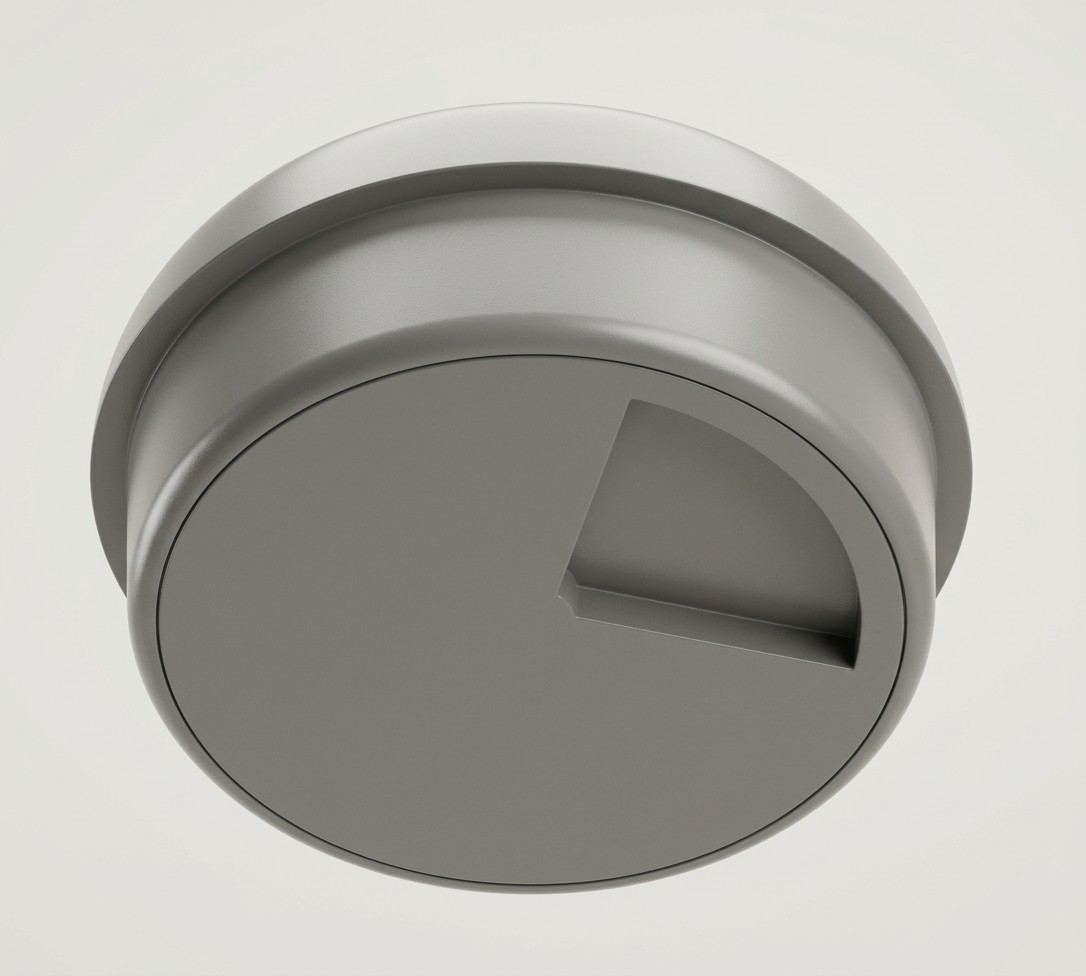
The dispenser rotates to release dressing at mealtime, so there’s no separate container to pack.
From digital models to physical form
I moved between CAD and physical prototypes to refine Mori’s proportions, how the components fit together, and the overall assembly.

Structure exploration: testing how the components fit together.

Form refinement: adjusting the proportions of the stacked parts.

Assembly study: the intended final configuration.
A restrained form with a clear purpose
Inspired by KINTO’s understated product design, Mori pairs a transparent glass vessel with warm beige components. The glass keeps the meal visible, while the supporting parts share one consistent visual identity.
For the final renders, I set up materials, lighting, and environment for my CAD model in KeyShot, then used Gemini to add food to the rendered scene. The product design and CAD model are my own; AI-assisted visualization helped show Mori in use.

KINTO’s glass and warm neutral pieces informed Mori’s visual language.
Meet Mori
Mori brings four components into one vertically organized meal container.
Glass meal container: Holds the main meal while keeping its contents visible.
Rotating dressing dispenser: Keeps dressing separate until mealtime.
Removable snack pack: Provides a dedicated space for snacks.
Supporting housing: Organizes and supports the assembled components.


Four components: the glass meal container, rotating dressing dispenser, removable snack pack, and supporting housing.
What’s next
The prototypes communicate the intended structure. The next step is evaluating Mori under everyday conditions:
Leak resistance: Test the dispenser and container seals during transport.
Ease of use: Evaluate the rotating mechanism.
Cleaning: Assess access to the dispenser and other components.
Portability: Test weight, stability, glass breakage risk, and fit inside a student bag.
Thermal performance: Evaluate the housing before making insulation or cold-pack claims.


What I learned
Mori pushed me to connect user research directly to physical design decisions. Each priority from the interviews became a test for the form, from the stacked footprint to the integrated dispenser.
Moving between concept development, CAD, and prototyping helped me treat the product as a complete system, where form, mechanism, and the relationships between components all shape the experience.


